Key Takeaways
- Systematic phonics is backed by research as an effective way to build strong decoding and early reading skills.
- Phonics helps teachers quickly diagnose problems and support struggling readers.
- Overemphasizing phonics can create strong decoders who still struggle with comprehension and meaning.
- The best results come from balancing phonics with vocabulary, comprehension, and enjoyable reading.
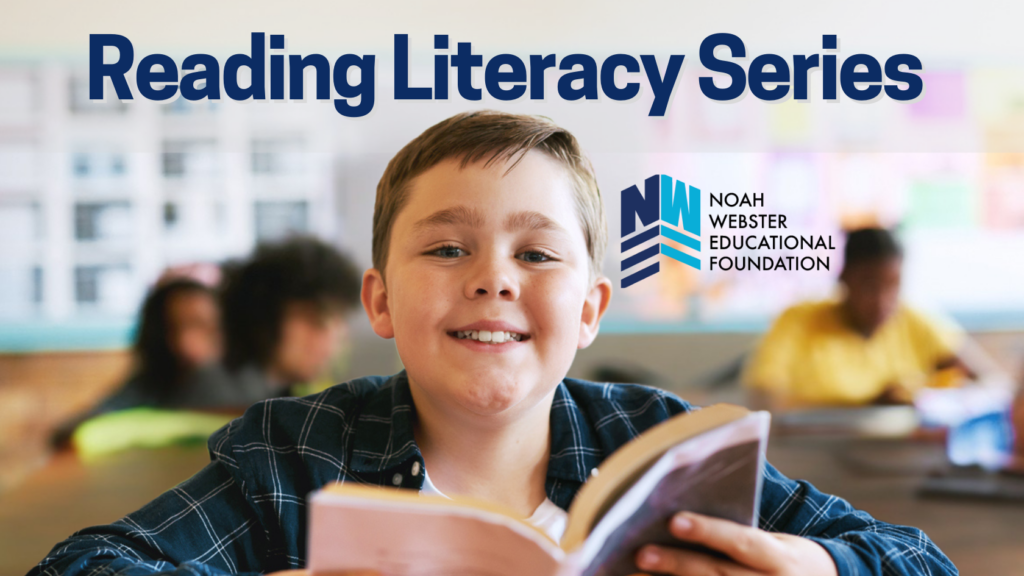
This reading literacy series explores one of the most important skills in a child’s academic development: the ability to read with understanding, confidence, and purpose.
The series takes readers beyond surface-level conversations and into the science of how literacy develops in the brain, why certain foundational skills matter, and what research shows about the most effective ways children learn to read.
You’ll learn how to break down the major instructional approaches that have shaped classrooms: phonics-based methods, whole language, balanced literacy, and structured literacy.
We explore the strengths and limitations of these models, giving parents and educators a clear, practical understanding of how different methods influence student outcomes.
Another key focus is early support. The series explains why timely identification and intervention can make a significant difference, what the data tells us about critical milestones like third-grade reading proficiency, and how families can support strong literacy habits at home.
Together, these articles provide a comprehensive guide to the reading landscape and offer clarity on how children build the skills they need for lifelong success.
-
From Sounds to Meaning: The Science Behind Learning to Read
-
Phonological Awareness: The Hidden Foundation of Reading Success
-
Phonics: Where Reading Really Begins
-
Fluency: The Bridge Between Decoding and Comprehension
-
Vocabulary: The Missing Link in Reading Comprehension
-
Reading Comprehension: When Reading Becomes Understanding
-
Spotting Reading Struggles Early: Tips Every Parent Needs to Know