
Blog
Why Your Homeschool Year Should Start Slowly
Feeling the pressure to start homeschooling strong? Here's why a slow, observant first week builds a more sustainable year than a packed schedule ever could.
NWEF Blog
Welcome to the Noah Webster Education Foundation blog! Here, you’ll find the latest education news, expert guidance, and in-depth resources all in one place. Explore pro/con guides, research school options, dive into hot topics in learning, and gain insights that can inspire meaningful action in your community.
Blog
Feeling the pressure to start homeschooling strong? Here's why a slow, observant first week builds a more sustainable year than a packed schedule ever could.

Blog
What happens after school matters more than you think. Learn how to protect your child's decompression time and make home a place of recovery, not performance.
Blog
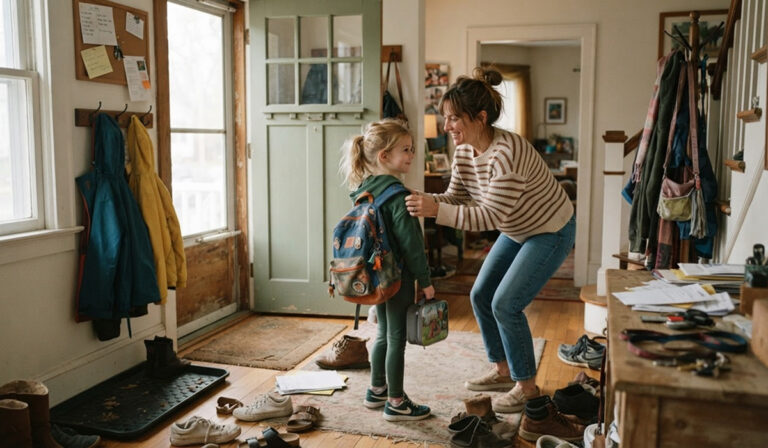
The first week of school isn't about getting everything right — it's about setting the tone. Learn how calm, connection, and routine shape a great year.
Blog
Explore one of the most important skills in a child’s academic development: the ability to read with understanding, confidence, and purpose.
Blog
Phonics is the strongest evidence-based way to teach decoding — but it is not enough on its own. Where it works and where students need more.
Blog
Early literacy intervention can put a child back on track — or label them too soon. What the evidence says about timing, screening, and results.
Blog
Reading is more than just decoding words on a page; it’s a gateway to learning, imagination, and lifelong success. Yet for some children, even early grade-level reading can feel like a frustrating uphill climb.
Blog
Simply put, comprehension is the process of making meaning from text. It’s the moment when reading moves beyond sounding out words and becomes something deeper—understanding, thinking, remembering, and connecting ideas.
Blog
What’s the point of reading if you don’t understand what the words mean?
Blog
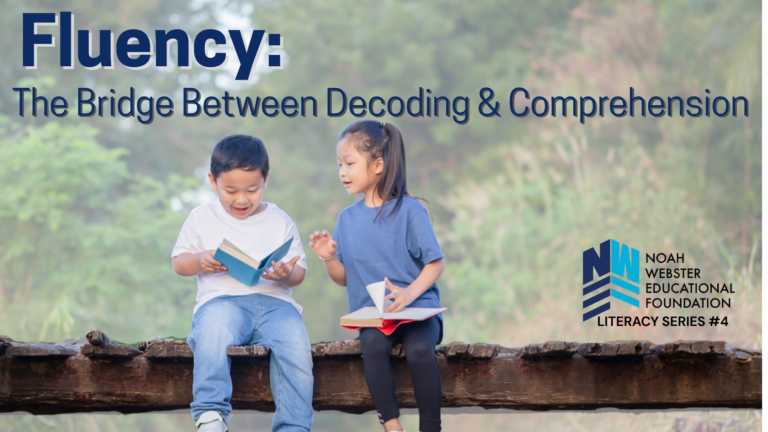
Fluency is not reading fast. It is the bridge between decoding words and understanding them — and how to build it in a struggling reader.
Blog
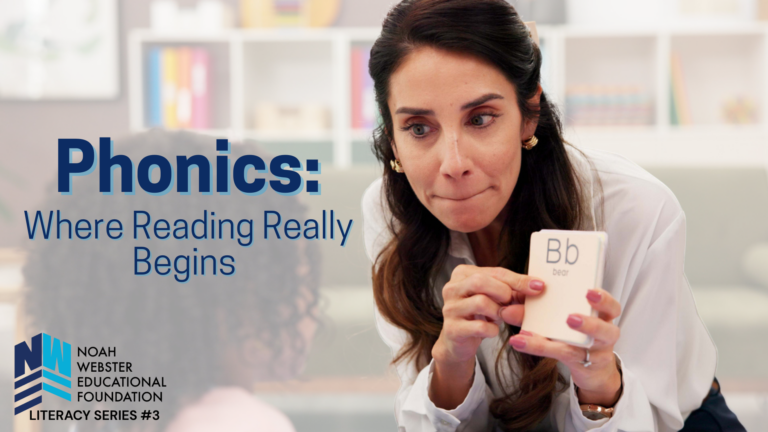
Now it’s time for the next step: phonics — the bridge between sounds and written words.If phonological awareness is the foundation, phonics is the doorway into real reading.
Blog
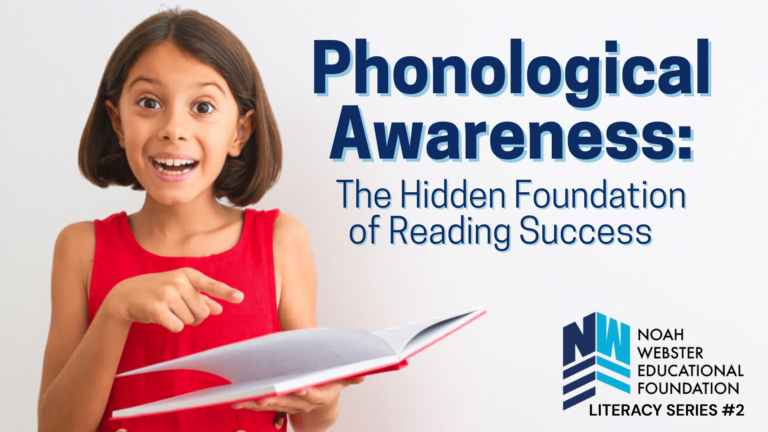
“Phonological awareness is like an umbrella. Rhyming, alliteration, sentence segmentation, syllables, onset and rime, and phonemic awareness all exist under this umbrella, with phonemic awareness being the most advanced skill of phonological awareness.”